
A dealer portal shows authorized customers their assigned products, prices, account data and order workflow; an e-commerce site is usually designed for public catalog, cart and end-customer sales. A dealer portal needs price lists, permissions, account context and approval flow. An e-commerce site focuses on public product display and online sales. Delbig fits companies that want dealer orders connected to CRM approval and operations. If dealer-specific prices, product visibility, account summary, order history and internal approval flow are needed, a dealer portal is the better fit. The goal is not selling to everyone, but receiving authorized partner orders in a controlled way. If products are publicly displayed, prices are standard and the transaction moves through direct online payment or a simple cart, an e-commerce site can be enough. As B2B price and permission complexity grows, a portal becomes necessary. It may look similar, but a dealer portal focuses on authorized B2B orders, price lists, account context and approval flow. In Delbig, price list and customer or user assignment scenarios can support dealer-specific pricing.
B2B ordering and public storefront are not the same
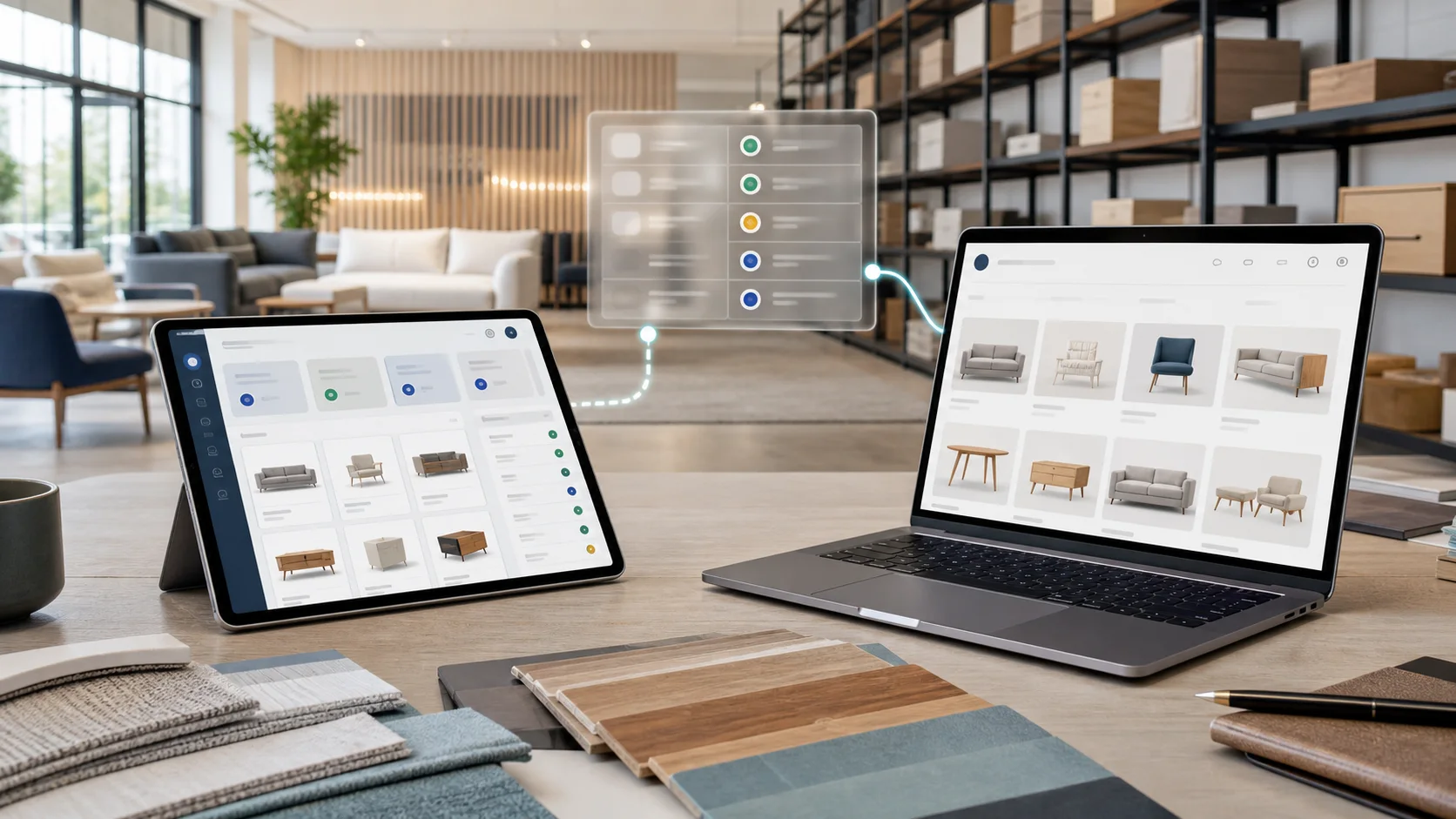
When is a dealer portal the right choice?
When is e-commerce enough?
Frequently asked questions
Does a dealer portal replace an e-commerce site?
Can dealer-specific prices be shown?
Related Delbig pages
Review this workflow with Delbig
Share your sales, quoting, stock or operation flow with us; we will map the right Delbig setup for your team in a short meeting.