
ERP vs MRP: Key Differences
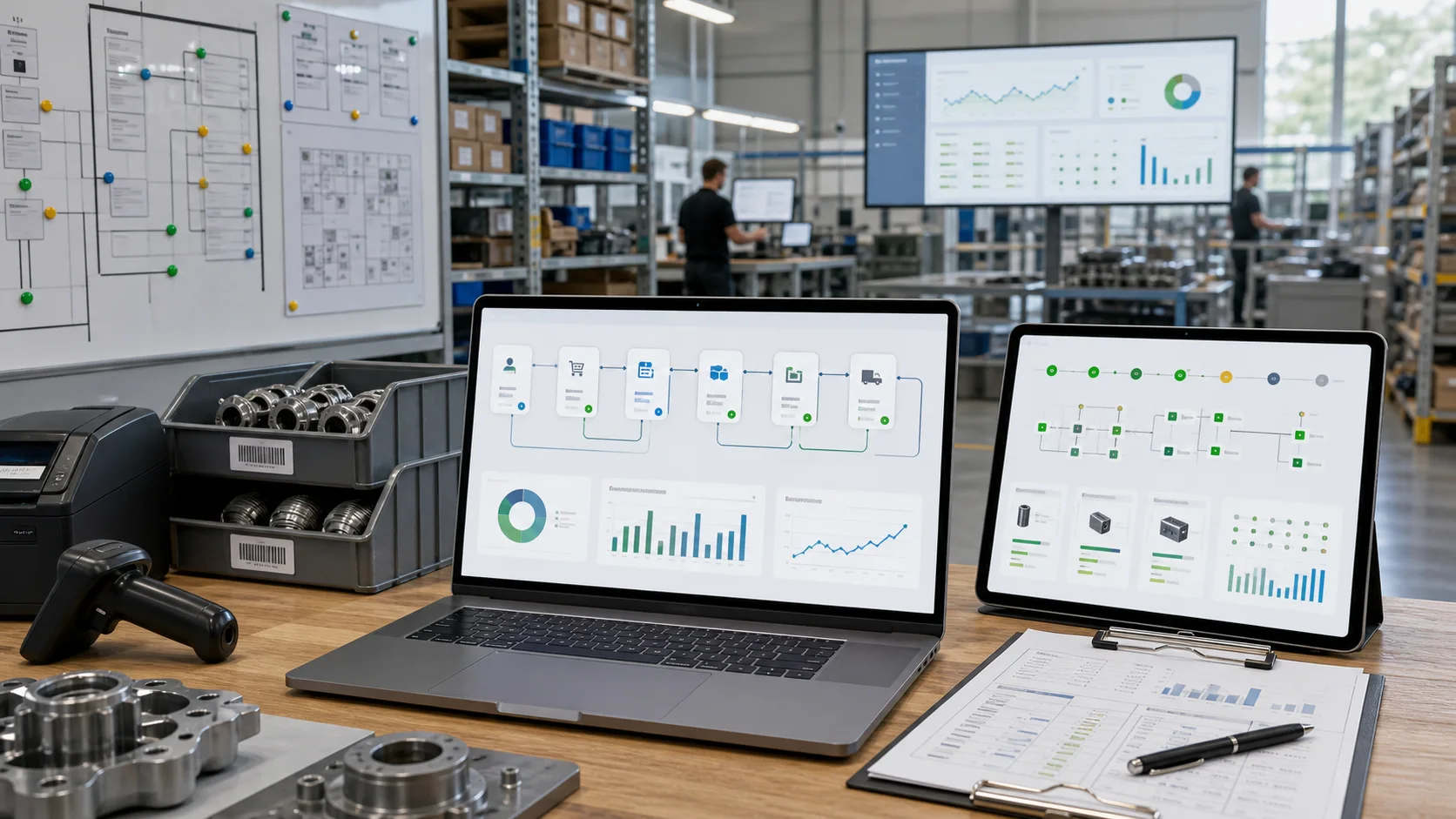
MRP focuses on what manufacturing needs, how much and when. ERP connects company-wide data flows spanning sales, purchasing, inventory, finance and production.
MRP goes deep into production planning
Bills of materials, material requirements, production orders, routes, stations, labour and production progress sit at the centre of MRP.
| Criterion | MRP focus | ERP focus |
|---|---|---|
| Primary goal | Material and production planning | Enterprise-wide resource and process management |
| Typical users | Planning and production teams | Sales, purchasing, warehouse, production, finance and management |
| Core data | BOM, route, station and production order | Customers, orders, inventory, purchasing, production and finance |
| Key question | What, how much and when to make? | How should company resources work together? |
ERP connects processes across departments
ERP relates orders, purchasing, inventory, operational finance, manufacturing and reporting in one process landscape.
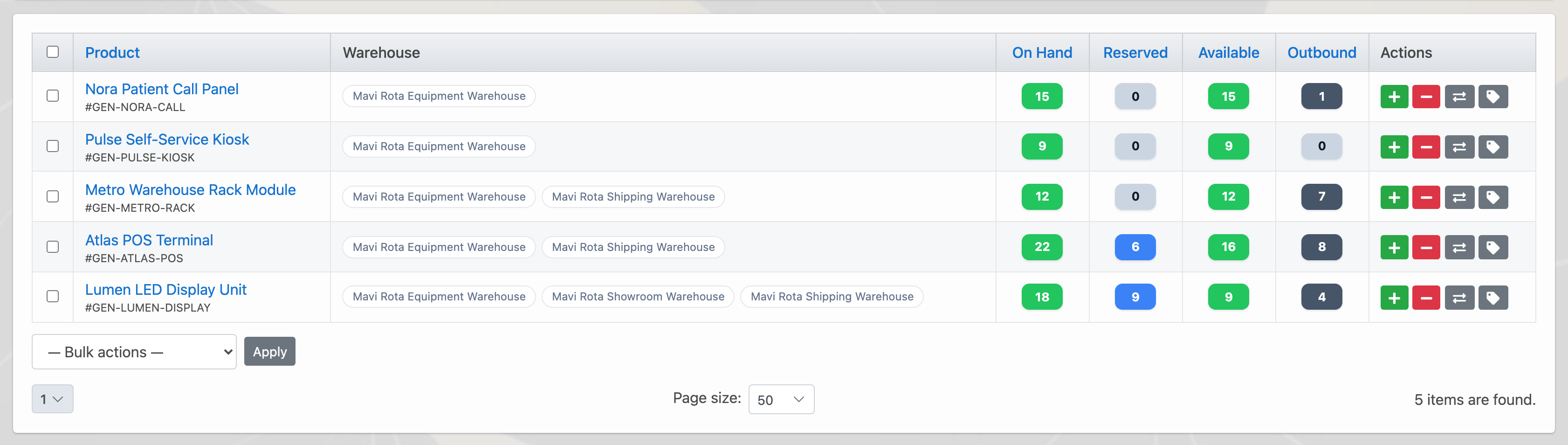
The same record supports different decisions
An order becomes material and capacity demand for MRP, while ERP follows its customer, purchasing, inventory, delivery and financial effects.
Verify scope product by product
Vendors use ERP and MRP labels with different module boundaries. Compare mandatory end-to-end workflows, not screen counts.
Frequently asked questions
Is MRP the same as ERP?
No. MRP focuses on materials and manufacturing; ERP manages a broader set of business processes through shared data.
Does every ERP include the same MRP depth?
No. BOM, routing, station, capacity and costing depth varies by product and licensed scope.
Review this workflow with Delbig
Share your sales, quoting, stock or operation flow with us; we will map the right Delbig setup for your team in a short meeting.