
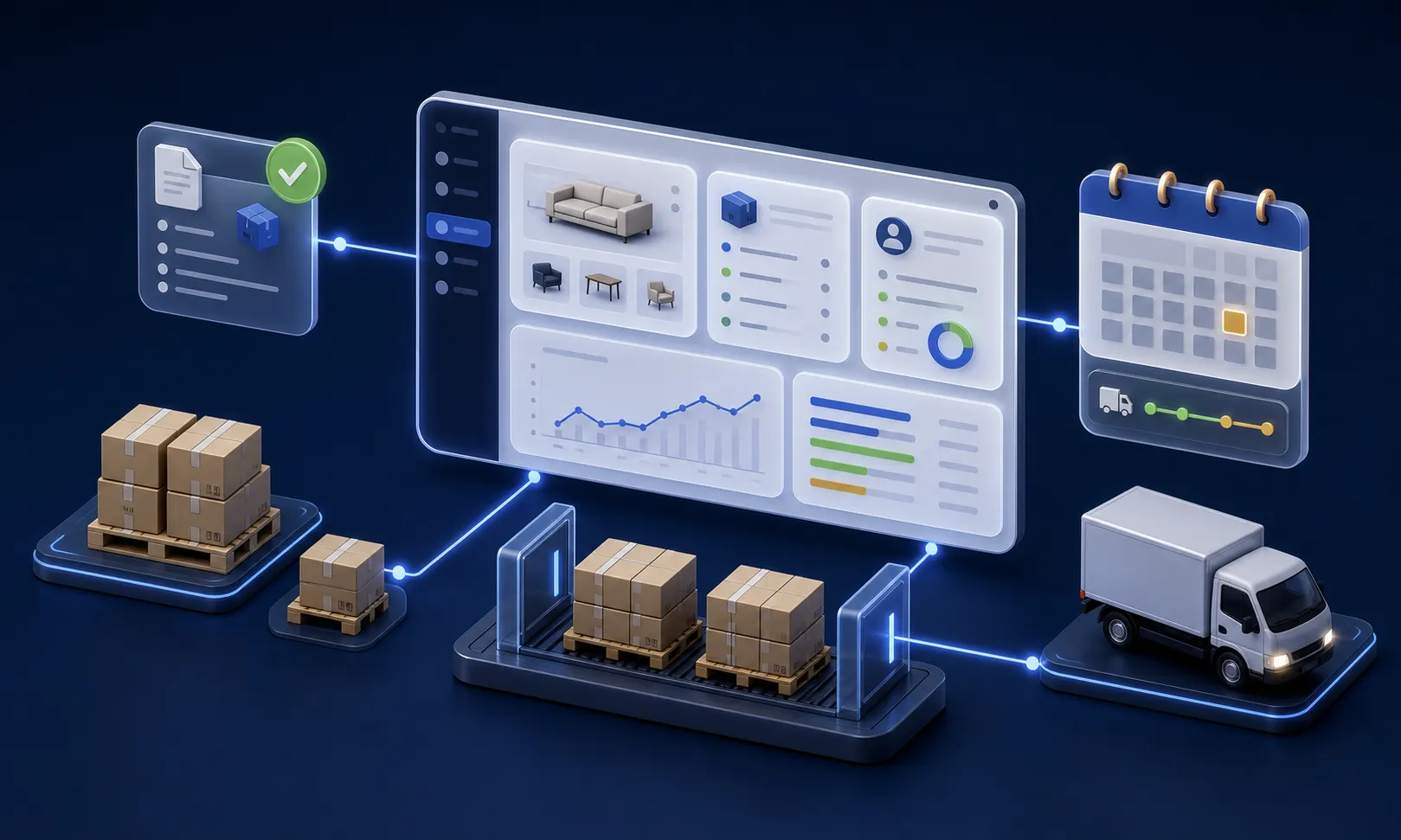
Supplier tracking software can store company data, contacts and simple notes; Delbig CRM manages suppliers with product matching, prices, purchase orders, purchase invoices, stock entry and operational reporting. Supplier tracking software stores records; CRM connects supplier decisions to sales, inventory and purchasing context. Product codes, supplier prices, purchase orders and stock entry should move in the same flow. Delbig fits companies that manage suppliers as an operational source, not only an account card. If the need is only a supplier directory, contact people, payment notes and simple price list records, supplier tracking software may be enough. This structure reaches its limit quickly when product, inventory and order links are weak. In Delbig, a supplier is not only a contact record. Supplier product name, code, price, order line, purchase invoice, stock entry and reporting impact are tracked in the same system. It may be enough for a supplier directory only; CRM is needed when product matching, purchase orders, purchase invoices, stock entry and reporting links are required. Delbig can position supplier and product flow with distinct codes, prices, orders and inventory links.
A supplier list alone does not manage purchasing flow
When is supplier tracking enough?
How does CRM make suppliers an operational source?
Frequently asked questions
Does supplier tracking replace CRM?
Can Delbig manage supplier product codes?
Related Delbig pages
Review this workflow with Delbig
Share your sales, quoting, stock or operation flow with us; we will map the right Delbig setup for your team in a short meeting.